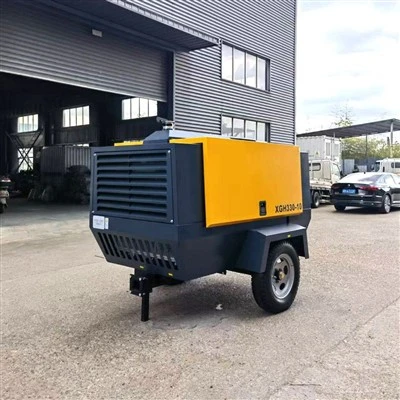
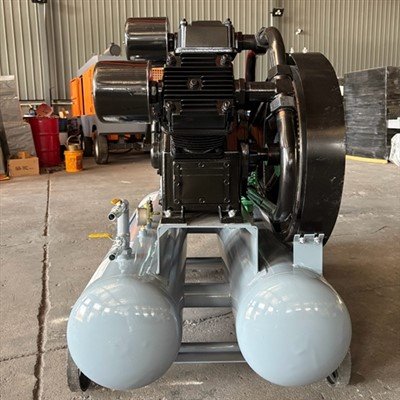
Driven by both energy structure transformation and industrial upgrading, the design philosophy of air compressors has evolved from solely pursuing performance indicators to a systems engineering approach that integrates high efficiency, high reliability, intelligence, and green low-carbon principles. Its core lies in building a complete solution, from conceptual design to full lifecycle value, based on the user's actual operating conditions.
From the outset, the design prioritizes adaptability to operating conditions. Different industries exhibit significantly different air consumption characteristics, such as continuous constant load, intermittent peak demand, or clean, oil-free requirements, all of which directly influence the selection of compression stages, drive type, and cooling scheme. Modern design emphasizes precise matching of volumetric flow rate, pressure range, and energy efficiency targets through thermodynamics and flow field simulation, avoiding resource waste and operational redundancy caused by "over-design," thereby achieving the optimal balance between performance and energy consumption from the outset.
At the structural and component level, reliability is paramount. Key moving parts, such as rotor meshing, bearing support, and sealing systems, require meticulous attention to material selection, geometric tolerance control, and surface treatment processes to ensure low wear and high thermal stability during long-term variable load operation. Meanwhile, modular design is widely adopted, enabling core units to be interchangeable and scalable. This facilitates consistent manufacturing control and provides convenience for future maintenance and upgrades.
Intelligent and green design constitute important dimensions of contemporary design. Through built-in sensors and edge computing capabilities, real-time monitoring and adaptive adjustment of operating status are achieved, improving the accuracy of constant pressure air supply and reducing ineffective energy consumption. In terms of energy utilization, waste heat recovery interfaces and low-noise air duct layouts are considered, allowing the equipment to benefit from both carbon reduction and occupational health. The design also needs to consider the entire life cycle cost, extending overhaul cycles and reducing failure rates, enabling users to achieve a higher return on investment in the long term.
Overall, modern air compressor design emphasizes condition-oriented, reliability-based, intelligent empowerment, and green collaboration, responding to the urgent needs of industrial users for high-efficiency power and providing a clear technological path for the industry's sustainable development.