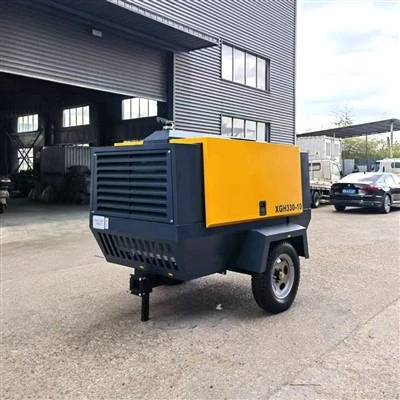
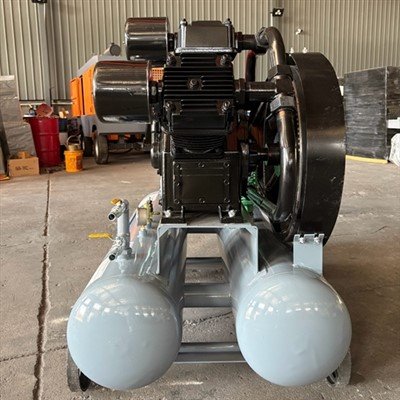
The air compressor testing process is a crucial step in ensuring equipment performance meets standards, operational safety, and extending service life. Guided by a systematic and standardized approach, this process covers inspection items at each stage, from factory acceptance to commissioning, aiming to promptly identify and eliminate potential defects and ensure stable air supply under various operating conditions.
Testing begins at the factory after manufacturing. This stage involves a visual inspection of the entire unit to confirm structural integrity and that the installation of each component conforms to design specifications. Performance testing then follows, including operational tests under rated and variable load conditions, measuring key parameters such as exhaust pressure, flow rate, temperature, specific power, and noise level to verify compliance with relevant national or industry standards. Safety testing is also indispensable, encompassing pressure vessel withstand testing, safety valve calibration, and electrical insulation and grounding reliability checks to prevent risks such as leaks, overloads, or electric shocks during operation.
After on-site installation, pre-commissioning acceptance testing should be conducted. The key checks include foundation stability, coupling alignment, airtightness of pipeline connections, and cooling and ventilation effectiveness. The control system should also undergo联动 testing to ensure proper functioning of pressure sensing, temperature alarms, and automatic shutdown protection. Initial startup should be performed under low load, gradually increasing to rated operating conditions while monitoring vibration, temperature rise, and oil level changes. Normal operation can only commence after confirming no abnormalities.
Routine periodic inspections during daily operation constitute a long-term assurance system. Inspection plans should be developed based on equipment usage frequency and environmental conditions. This includes regularly checking lubricating oil quality and level, filter element pressure differential, cooler cleanliness, and motor operating parameters. Vibration analysis and thermal imaging should be performed on critical components to detect bearing wear, poor cooling, or electrical contact problems early. For large or multi-unit parallel systems, system energy efficiency assessments and air supply stability tests are also required to ensure overall air supply quality.
In summary, the air compressor testing process covers the entire process from design verification, factory acceptance, on-site commissioning, and operation and maintenance. Through multi-level and multi-dimensional inspection and monitoring, a closed-loop management mechanism is formed, providing a solid guarantee for the safe, efficient, and long-term operation of the equipment.